
By Henry

On Sundays I cycle down onto Hackney Marshes with my husband. On a wide flat area of reclaimed land, between channels of the River Lee, white painted goal posts line up across acres of rough mown grass. There are over eighty football pitches! By the time we get there, a bit late, most are empty except for a few games dotted about. We cycle around and look for an interesting one to settle down to watch. Teams of older men, young boys, women, girls, mixed teams, represent nearby communities. Listening to the shouts and complaints of the players, when tempers are running high, I appreciate the drama and passion. Watching the young ones, I see them developing new skills, interacting, getting encouragement. This is grassroots football: Hackney and Leyton Sunday League, with four divisions, sponsors, free parking and changing rooms, rules and referees.
Then we go home and watch a major league match on TV. Being an empathetic, human body, I can feel my own muscles twitch, when I hear the thud of a world class foot come in contact with the ball. It’s also unbearable, to watch the losing side lose, sometimes in a dangerous fashion, to the point of broken limbs or losing consciousness. I don’t find watching football on television easy, unless I’m allowed to comment on the dreadful design of the away strip, ‘They had one job!’. In fact, you could say that about football itself. The new England manager, Thomas Tuchel in a press conference recently, said, ‘England has to focus on winning’ You don’t say!’
The teams are so evenly matched, no one scores a goal. The game is decided on penalties, which isn’t even football. The crowd can be seen leaving before the end to avoid the rush, watching the last minutes on their phones. And yet all the spectators want to see goals. They want to see the high kicks, the tackles, passes, somersaults.
There are checks on the way matches play out, to ensure fairness: VAR, two transfer windows, drug testing. There are standards of safety, for players and spectators, and measures to prevent homophobia and racist violence. The game must be fair and the teams equally matched, otherwise it’s no fun to watch. It must be family entertainment that preferably lasts as long as possible, so we see more ads, buy more drinks, pay for extra TV subscriptions. Capitalism can sell more stuff the longer the match lasts and the less disparity there is amongst the teams. There are limits though, on the length of time players can play for without injuring themselves, and how long spectators will be willing to watch.
The millions invested make it almost not a competition anymore. The best clubs win because they have the most money to buy the best players. Billionaires invest in football clubs, purchasing a controlling stake. Companies use people’s love of football to promote their brand. Organisations and countries with a poor environmental or human rights record, use football to improve their reputation, known as sports washing. While progressive values are upheld on the pitch, off the pitch the industry indulges racism, sexism, homophobia, transphobia, patriarchy, exploitation. For instance, male footballers earn 200 times as much as women. Leading up to the 2022 World Cup in Qatar, 400-500 migrant workers were killed in related construction projects, such as the iconic Al Wakrah stadium designed by British architect, Zaha Hadid.
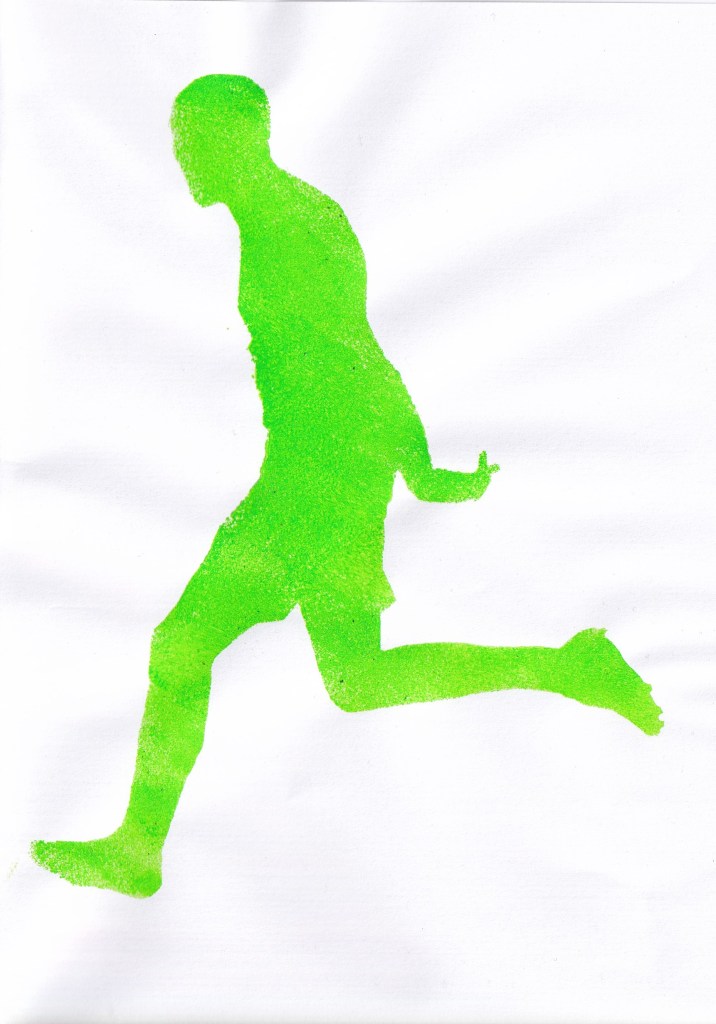
Competition feeds right into that other kind of competitiveness, the market place. Capitalism loves a competition. Whatever the desire of competitive sports to be inclusive, the need of elite sport to become global entertainment, brings injustice and exclusion and exploitation. Capitalism wants to pit us against each other, preferably to the death, but slowly so it can sell us more stuff and extract more of our labour.
Some clubs actively come together to highlight inclusivity and resist discrimination and promote anti-fascism. Until 2018, Clapton Ultras was an anti fascist fan club for Clapton FC supporting of LGBT+ in football, anti-racism, and other causes. Rise United was formed during the pandemic to help the ESEA+ community get in touch with their roots and combat Asian hate. Baesianz FC is a football team of women, trans and non-binary people of Asian heritage that aims to make the sport more inclusive.
I do have a personal problem with competition, whether in board games, sports, academically, artistically. Still, the possibilities of competition are worth examining, both for me personally and in general. ‘It’s fun to have fun but you’ve got to know how!’ says the Cat in the Hat. It’s fun to compete and win at something you’re good at. But often people have to compete at things they lose at, especially at school or in the workplace. In athletics, players are congratulated for beating their ‘personal best’ as well as breaking world records, which some spectators find unpalatable, but which to me seems a positive way forward.
I can wipe down the surfaces in my kitchen, just because a clean kitchen has all sorts of benefits. I am my own judge of what a clean kitchen should be. Or I can compare the cleanliness of my kitchen with my neighbour’s. But then, they have a cleaner twice a week, which makes it unfair. Maybe exploitative. Either way, capitalism takes advantage. Here’s the latest hi-tech duster! Here’s a quadruple strength limescale remover. Old style feminism cries, ‘Fuck housework!’ or, ‘Stop washing microfibres into the water system that end up in our placentas!’
On Sunday evening, after the day’s football commentary has finished, I find myself listening to the Radio 5 Live phone-in programme, 606. Callers from all parts of the country contribute their analysis. They, mostly men, mull endlessly over the same questions, the pros and cons of VAR or this or that set piece. Off the pitch we can all be philosophers. So, following the redacted manifesto of Luther Blissett, here’s my contribution:
For all the times I’ve not mentioned Arsenal or Tottenham or heard them mentioned, for the Arsenal scarves hidden in the glove drawer, the logos on the trainers I’ve not worn, for hearing the cheers crowd all the way from the Emirates stadium, from inside pubs and people’s homes, as an unwilling non competitor, ‘the industry of the integrated spectacle owes me money!’
Henry is a writer, teacher and peace activist.
 Bad Apple Magazine