
Sumaiya Shameem
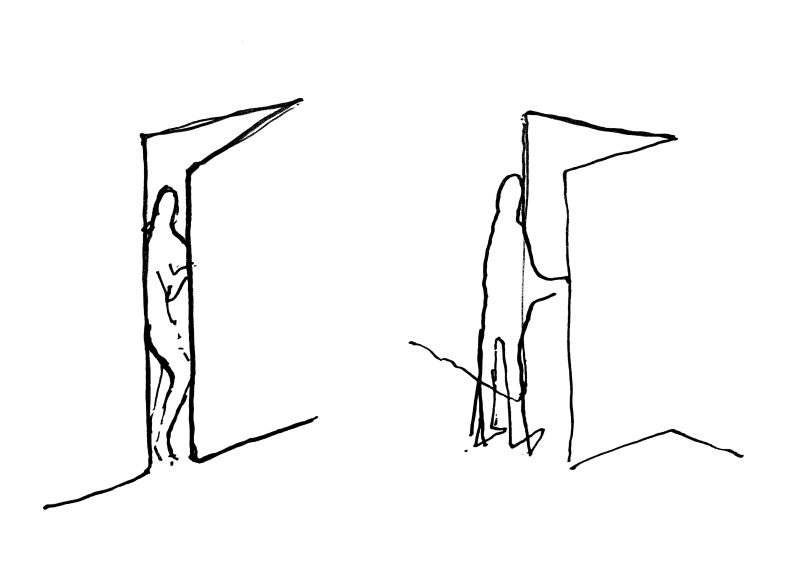
I was raised in a culture where adapting and accepting were seen as common, especially for women. From a young age, I was taught when and how to speak. While some of this shaped manners and respect, much of it was rooted in gender expectations. Softness was praised; assertiveness, even when justified, was discouraged. Growing up, I watched women across generations carry the weight of their families with quiet resilience. They were not always the breadearners, but they were breadmakers in countless unseen ways. Despite their constant effort, their contributions often went unrecognised. This invisible labour extended beyond physical tasks, managing emotions, maintaining relationships, anticipating needs, and holding everything together, often alongside full-time work. These expectations were treated as normal, leaving little room for acknowledgment or rest.
Over time, this conditioning turns agreement into instinct, while refusal feels like a breach of expectation. I have smiled in rooms to make others feel comfortable. Whispered to myself, this too shall pass. Yet there comes a quiet shift, an internal moment of awareness. Refusal does not have to be loud or confrontational; it can be subtle and deeply personal. It is the decision to pause, to decline, to stop carrying what was never yours. In choosing not to comply automatically, boundaries begin to form. This quiet resistance holds power because it does not seek permission, it simply reclaims space and challenges the idea that enduring is the only role available. It’s not a destination I would say, but more of a journey. A journey that I started very slowly, but keen to see how far I can go on. Even though I am pursuing this act of quiet resistance to protect my consciousness, there is still sometimes, an underlying guilt, which is hard to shift.
Refusal becomes less about defiance and more about self-preservation: a conscious decision to stop overextending and to no longer respond out of habit. It is not driven by anger, but by the recognition that continuing in the same way is unsustainable. In this moment, exhaustion shifts from being only a burden to becoming the point where change begins.
As I continue to go through the process of self-realisation and chaos, faith becomes a place of return. As a Muslim, spirituality offers grounding when expectations feel overwhelming. It creates space to step back without guilt and to accept that not everything must be carried alone. Through prayer and quiet reflection, there is relief in trusting that what is unseen is still understood. Faith becomes a source of strength, not through constant striving, but through surrender. In a life shaped by demands, it offers a space of honesty and rest, where there is no need to perform, only to exist and be held.
Perhaps liberation doesn’t come through loudness but rather a quieter act. It’s not about not loving a person, but rather knowing a place for every person. The journey is not about becoming someone untouched by expectation, but about learning what no longer deserves access to your energy. In that sense, refusal is not absence or withdrawal, but a return to the self. ▪️

